


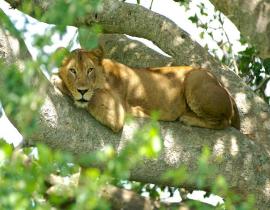
Uganda's Tree-Climbing Lions: A Wildlife Mystery in Ishasha
The unusual sight is one of the most sought-after wildlife experiences in Uganda.
When people think of lions, they usually picture them prowling through grasslands, resting beneath acacia trees, or stalking prey across the African savannah. Rarely does anyone imagine looking up into a tree and finding a fully grown lion stretched comfortably across a branch.
Yet in the Ishasha sector of Queen Elizabeth National Park, this unusual sight is one of the most sought-after wildlife experiences in Uganda.
Visitors travel from around the world hoping to witness one of nature's most fascinating mysteries: lions that spend hours lounging high above the ground in giant fig trees.
A Safari Experience Unlike Any Other
Every safari comes with moments of excitement and surprise, but few sightings leave travelers as amazed as the tree-climbing lions of Ishasha.
The experience often begins with a slow game drive through the park's open savannah. As wildlife appears across the landscape, guides carefully scan the branches of large fig and acacia trees.
At first, nothing seems unusual.
Then suddenly, a shape emerges among the leaves. A tail hangs lazily from a branch. A massive paw rests against the bark. Looking closer, visitors realize they are staring at a lion resting several meters above the ground.
For many first-time visitors, it is a sight they never expected to witness.
Why Do These Lions Climb Trees?
One of the most fascinating aspects of Ishasha's lions is that nobody can say with complete certainty why they developed this behavior.
Unlike leopards, which are natural climbers, lions are built for life on the ground. Their size and weight make tree climbing more challenging, which makes the behavior all the more remarkable.
Over the years, wildlife experts and researchers have suggested several possible explanations.
Some believe the lions climb trees to escape the intense heat of the savannah, where cooler breezes can be found among the branches. Others suggest they are avoiding insects such as tsetse flies that are more common closer to the ground.
Another theory is that the elevated position gives them a better view of their surroundings, helping them monitor prey and activity across the landscape.
While these explanations are widely discussed, the true reason remains one of East Africa's most intriguing wildlife mysteries.
One of the Few Places on Earth to See This Behavior
Tree-climbing lions are exceptionally rare.
Although lions in some parts of Africa occasionally climb trees, very few populations do so regularly enough for visitors to have a realistic chance of seeing them.
This makes Ishasha one of the most unique safari destinations on the continent.
The behavior has become so closely associated with the region that many travelers specifically include Ishasha in their itinerary for the chance to witness it firsthand.
For wildlife enthusiasts and photographers, it is an opportunity that few safari destinations can match.
More Than Just Lions
While the famous tree-climbing lions attract most of the attention, Ishasha itself is a remarkable destination.
Located in the southern sector of Queen Elizabeth National Park, the area is known for its scenic landscapes, wide savannahs, riverine habitats, and rich wildlife populations.
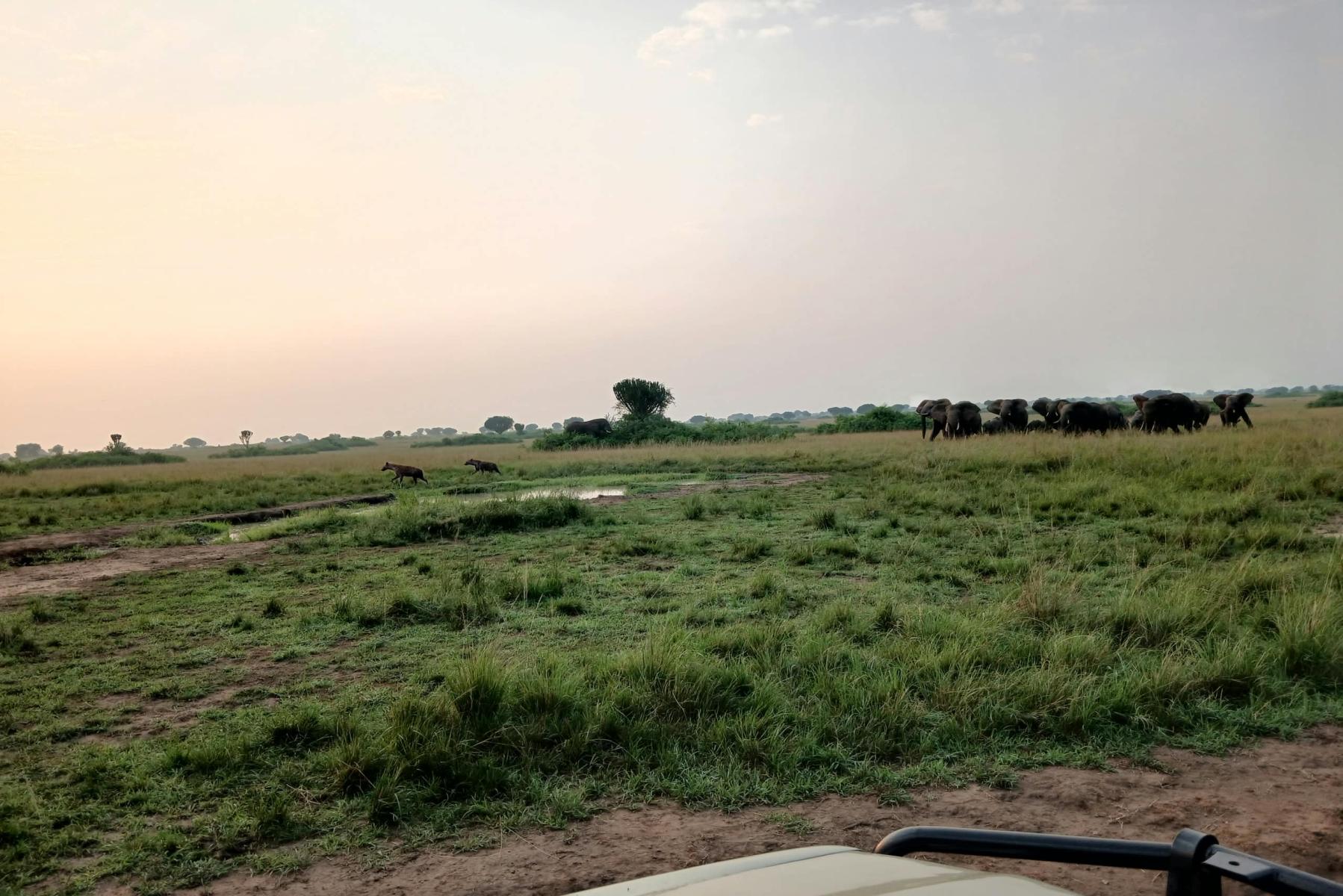
During a game drive, visitors may encounter elephants moving through the grasslands, herds of buffalo grazing in the distance, Uganda kob, topi, and a variety of bird species that thrive in the region.
The area's quieter atmosphere also creates a sense of exclusivity that many travelers appreciate.
Unlike busier wildlife destinations, Ishasha often feels untouched and wonderfully wild.
A Photographer's Dream
Wildlife photography is often about capturing moments that tell a unique story.
A lion resting in a tree does exactly that.
The unusual behavior immediately captures attention and creates images that stand apart from traditional safari photographs. Whether viewed through a professional camera lens or a smartphone screen, the sight of a lion draped across a tree branch is unforgettable.
Early morning and late afternoon game drives often provide particularly beautiful lighting, adding even more drama to an already extraordinary scene.
The Thrill of the Search
Part of what makes the experience so rewarding is that finding the lions requires patience and observation.
Unlike attractions that are guaranteed, wildlife viewing always carries an element of unpredictability.
Visitors spend time scanning the branches, searching the landscape, and relying on the expertise of experienced guides.
When the lions are finally spotted, the excitement is genuine because the sighting feels earned rather than staged.
That sense of discovery is one of the reasons safari experiences remain so special.
Why Ishasha Deserves a Place on Your Safari Itinerary
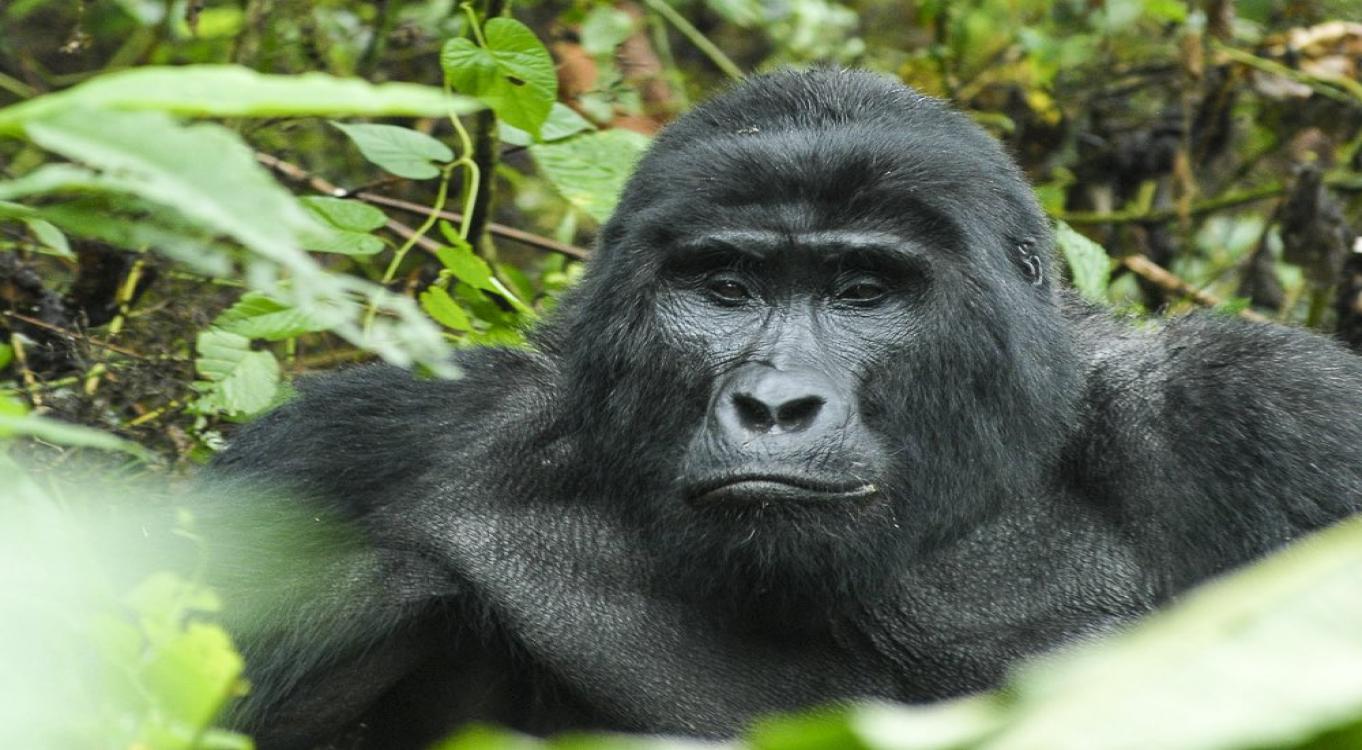
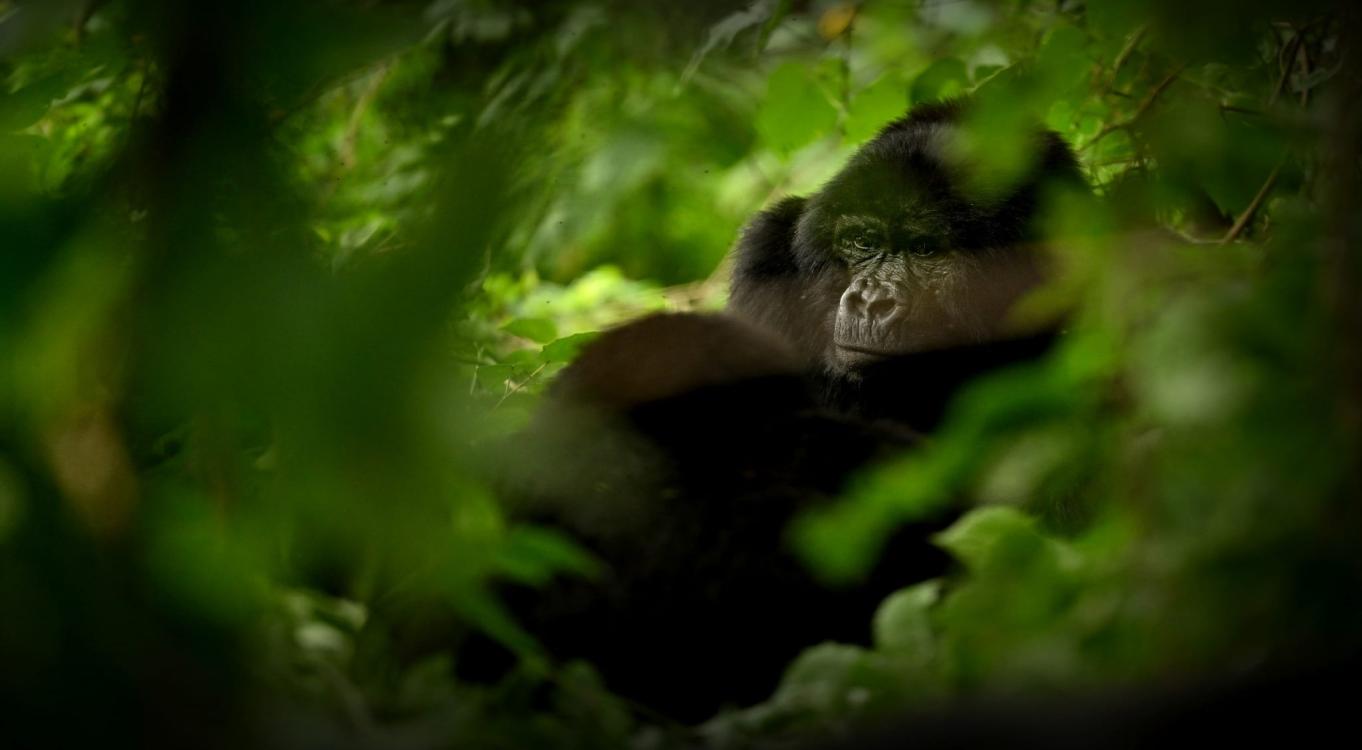
Uganda offers many incredible wildlife experiences, from gorilla trekking and chimpanzee tracking to boat safaris and traditional game drives.
Yet Ishasha stands apart because it offers something few places in the world can provide.
The opportunity to see lions resting high above the ground challenges everything most people think they know about these iconic predators.
It's a reminder that nature still holds surprises, even for seasoned travelers.
Discover One of Uganda's Best-Kept Wildlife Secrets
For travelers exploring Queen Elizabeth National Park, a visit to Ishasha is more than just another game drive. It's an opportunity to witness one of Africa's most unusual wildlife behaviors and experience a part of Uganda that continues to amaze visitors year after year.
If you're planning a safari in Uganda, keep your eyes on the trees. You might just discover one of the country's most remarkable wildlife spectacles waiting among the branches.