

What Is Imbalu and Why Does It Bring Eastern Uganda to Life?
Vibrant traditions, music, dance, and cultural significance
Uganda is a country rich in cultural traditions, each community preserving customs that tell the story of its identity and heritage.
Among the most famous cultural celebrations in the country is Imbalu, a traditional rite of passage practiced by the Bagisu people of Eastern Uganda.
For visitors exploring the slopes of Mount Elgon and the vibrant communities of eastern Uganda, Imbalu offers a unique opportunity to witness a tradition that has shaped generations and continues to unite families, villages, and entire communities.
More than a ceremony, Imbalu is a cultural celebration that reflects courage, identity, pride, and belonging.
What Is Imbalu?
Imbalu is a traditional initiation ceremony practiced primarily by the Bagisu community, also known as the Bamasaba, who live around the Mount Elgon region in Eastern Uganda.
The ceremony marks the transition from boyhood to adulthood and is one of the most important cultural events within the community.
For generations, Imbalu has served as a symbol of maturity, responsibility, and acceptance into adult society.
It is a tradition deeply rooted in the history and cultural identity of the Bagisu people.
Where Does Imbalu Take Place?
Imbalu is most commonly celebrated in the districts surrounding Mount Elgon, including:
- Mbale
- Bududa
- Manafwa
- Sironko
- Bulambuli
- Namisindwa and other parts of the Country where Bagishu people settled.
During Imbalu seasons, towns and villages throughout the region become filled with excitement as families and communities prepare for the ceremonies.
The atmosphere is energetic, colorful, and welcoming.
For visitors, it provides a fascinating glimpse into one of Uganda's most vibrant cultural traditions.
More Than a Ceremony
Many people hear about Imbalu and immediately focus on the initiation ritual itself.
However, what makes Imbalu truly remarkable is everything that surrounds it.
The celebration involves:
- Traditional music
- Cultural dances
- Community gatherings
- Family celebrations
- Storytelling
- Feasting
- Cultural performances
Entire communities come together to support participants and celebrate an important milestone in their lives.
The event often feels like a festival that brings generations together.
The Sounds of Imbalu
One of the most memorable aspects of Imbalu is its music.
Traditional drums, songs, and rhythmic performances create an atmosphere of excitement throughout the celebrations.
Music plays a vital role in expressing community pride and cultural identity.
Visitors often find themselves captivated by the energy, movement, and enthusiasm that accompany the festivities.
The sounds of Imbalu can be heard long before the celebrations come into view.
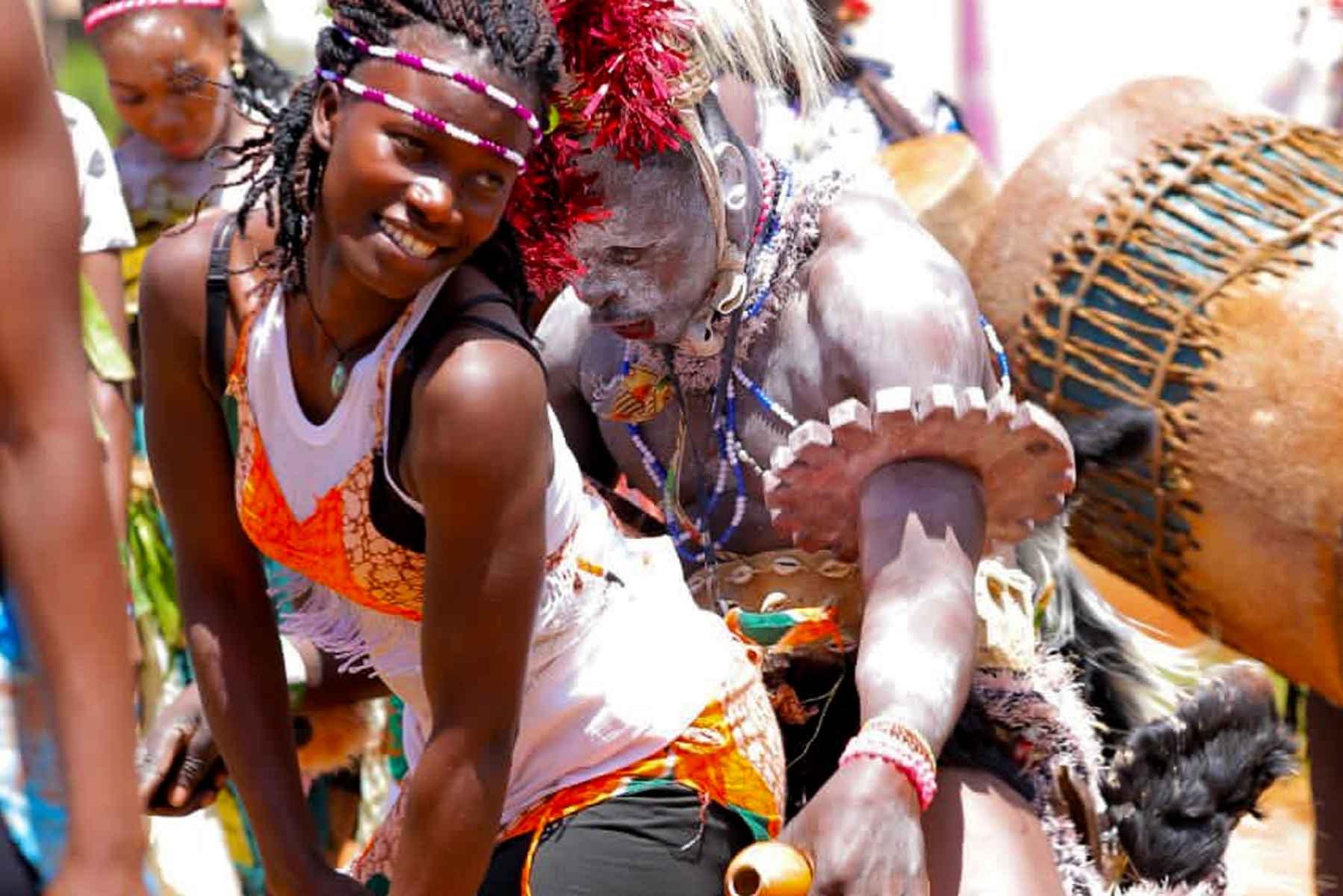
Traditional Dance and Community Spirit
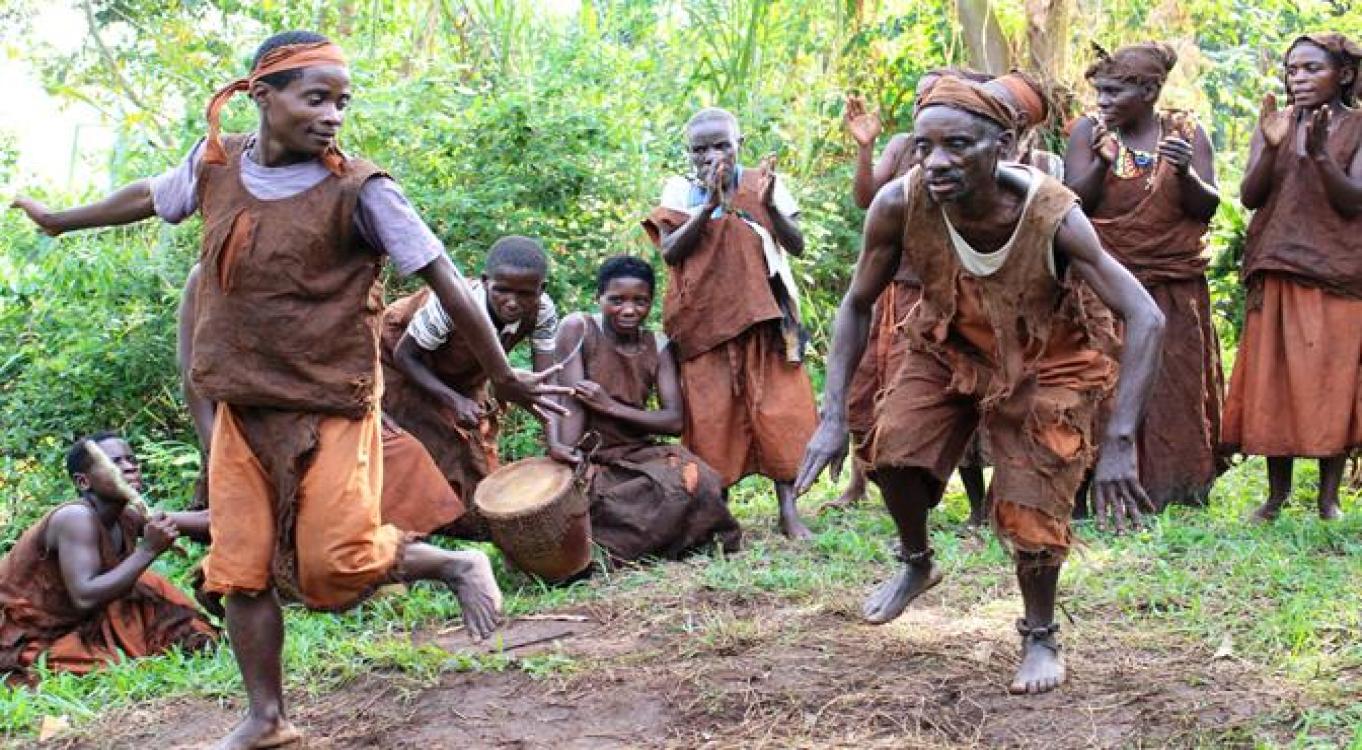
Dance is another important part of the Imbalu experience.
Groups gather to perform traditional dances that have been passed down through generations.
These performances celebrate heritage while strengthening bonds between families and communities.
For many travelers, witnessing these dances offers a deeper understanding of the cultural richness of Eastern Uganda.
The joy and pride displayed throughout the celebrations are truly infectious.
A Celebration of Identity
At its heart, Imbalu is about identity.
It is a tradition that connects people to their ancestors, culture, and community.
Through participation and celebration, cultural values are passed from one generation to the next.
The ceremony reinforces a sense of belonging and preserves traditions that remain important in modern society.
This commitment to cultural preservation is one of the reasons Imbalu continues to attract interest from visitors, researchers, and cultural enthusiasts.
Experiencing Eastern Uganda During Imbalu Season
Travelers visiting Eastern Uganda during an Imbalu year often discover much more than a cultural event.
The region itself offers remarkable attractions, including:
Mount Elgon
One of East Africa's oldest volcanic mountains, offering hiking, waterfalls, caves, and spectacular scenery.
Sipi Falls
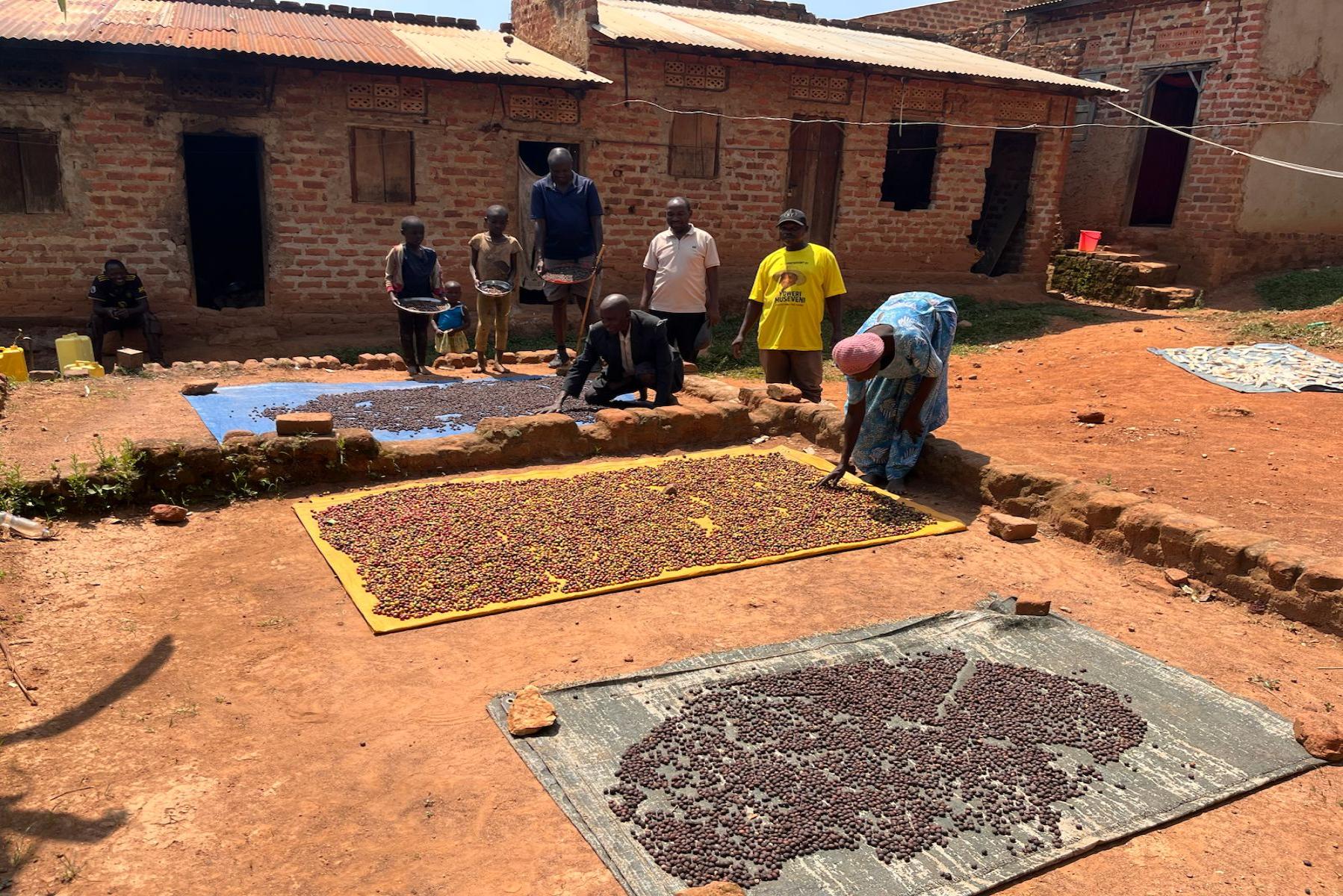
Famous for its beautiful waterfalls, coffee tours, hiking trails, and breathtaking views.
Local Markets and Communities
Visitors can explore local culture, traditional crafts, and everyday life within the region.
Combining these attractions with an Imbalu cultural experience creates a rewarding and well-rounded itinerary.
Why Cultural Experiences Matter
Wildlife safaris are often the highlight of a trip to Uganda, but cultural experiences provide a different perspective.
They allow visitors to connect with the people, traditions, and stories that make each region unique.
Imbalu offers an opportunity to appreciate the richness of Uganda's cultural diversity while learning about a tradition that has endured for generations.
These experiences often become some of the most meaningful memories travelers take home.
Is Imbalu Worth Experiencing?
For travelers interested in culture, heritage, and authentic local experiences, the answer is yes.
Imbalu provides insight into the traditions, values, and community spirit of the Bagisu people while showcasing the vibrant culture of Eastern Uganda.
It is colorful, energetic, educational, and deeply rooted in history.
Whether combined with a visit to Mount Elgon, Sipi Falls, or a broader Ugandan adventure, witnessing Imbalu offers a rare opportunity to experience one of the country's most celebrated cultural traditions.
A Living Tradition
In a rapidly changing world, traditions like Imbalu continue to play an important role in preserving cultural identity and strengthening community bonds.
For the people of Eastern Uganda, it remains a source of pride.
For visitors, it offers a chance to witness a living tradition that has shaped generations and continues to bring communities together today.
And that is what makes Imbalu one of Uganda's most fascinating cultural experiences.