


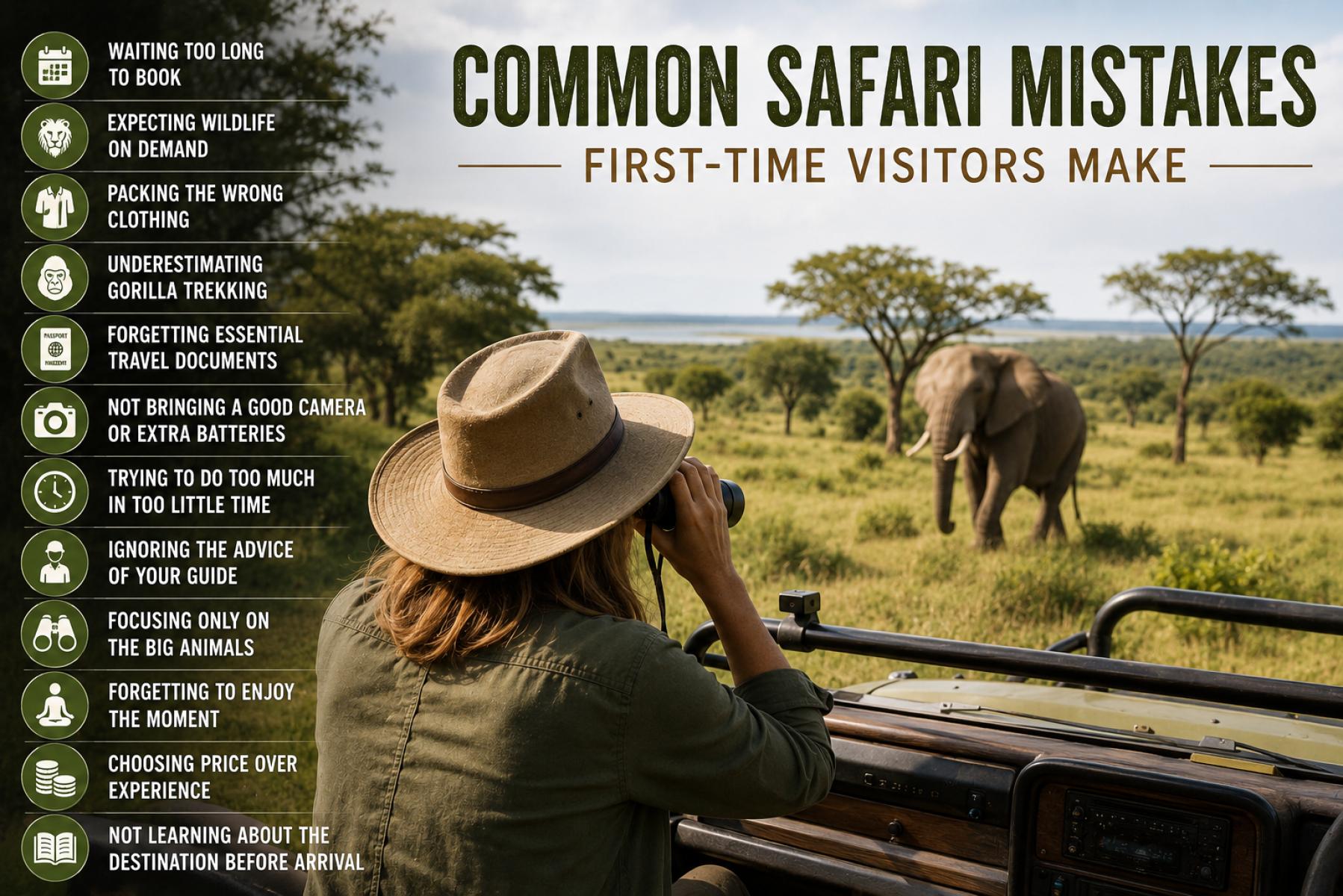
Common Safari Mistakes First-Time Visitors Make.
A little preparation can make the difference between a good safari and an unforgettable one.
A safari is unlike any other travel experience.
Whether you're dreaming of seeing mountain gorillas in Uganda's rainforests, watching lions on the savannah, or cruising along the Nile in search of wildlife, a safari offers moments that stay with you for a lifetime.
However, many first-time visitors arrive with unrealistic expectations or overlook important details that can affect their overall experience.
The good news is that most safari mistakes are easy to avoid with the right information.
Here are some of the most common mistakes first-time safari travelers make—and how you can avoid them.
1. Waiting Too Long to Book
One of the biggest mistakes travelers make is assuming that safari permits, accommodations, and activities will always be available.
Popular experiences such as gorilla trekking have limited daily permits, and sought-after lodges can fill up months in advance, especially during peak travel seasons.
Booking early gives you more options, better availability, and greater flexibility when planning your itinerary.
2. Expecting Wildlife on Demand
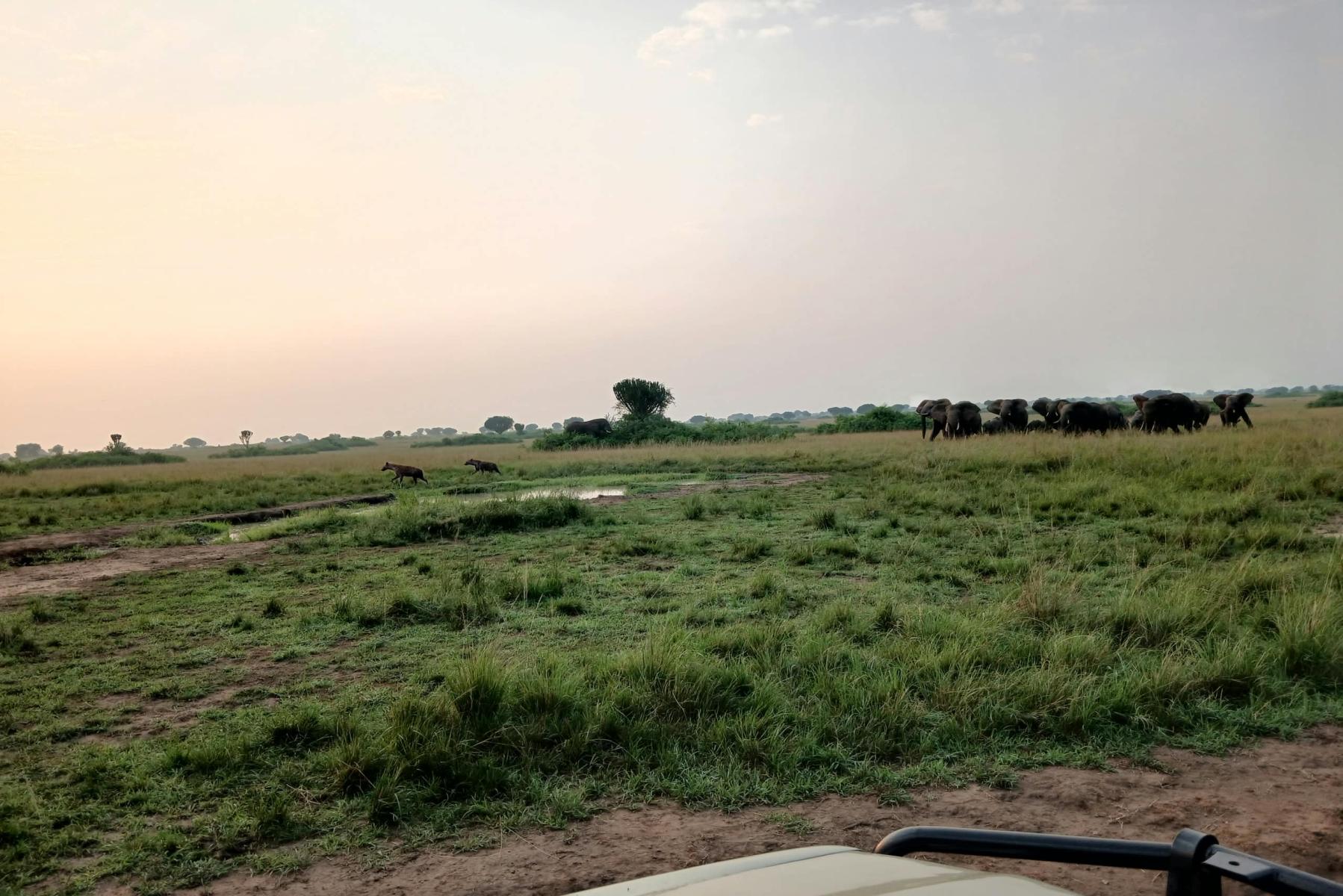
Many first-time visitors imagine wildlife sightings as if they were visiting a zoo.
In reality, a safari takes place in nature, where animals move freely across vast landscapes.
While experienced guides know where to look and greatly improve your chances of sightings, wildlife encounters can never be guaranteed.
Part of the excitement of a safari comes from the anticipation and unpredictability of each game drive.
3. Packing the Wrong Clothing
Some travelers pack heavy clothing designed for cold weather, while others arrive with clothing that is unsuitable for outdoor activities.
The best safari wardrobe is usually simple and practical.
Consider:
- Neutral-colored clothing
- Comfortable walking shoes
- A light rain jacket
- A hat for sun protection
- Layers for cool mornings and evenings
Avoid bright colors whenever possible, especially during wildlife activities.
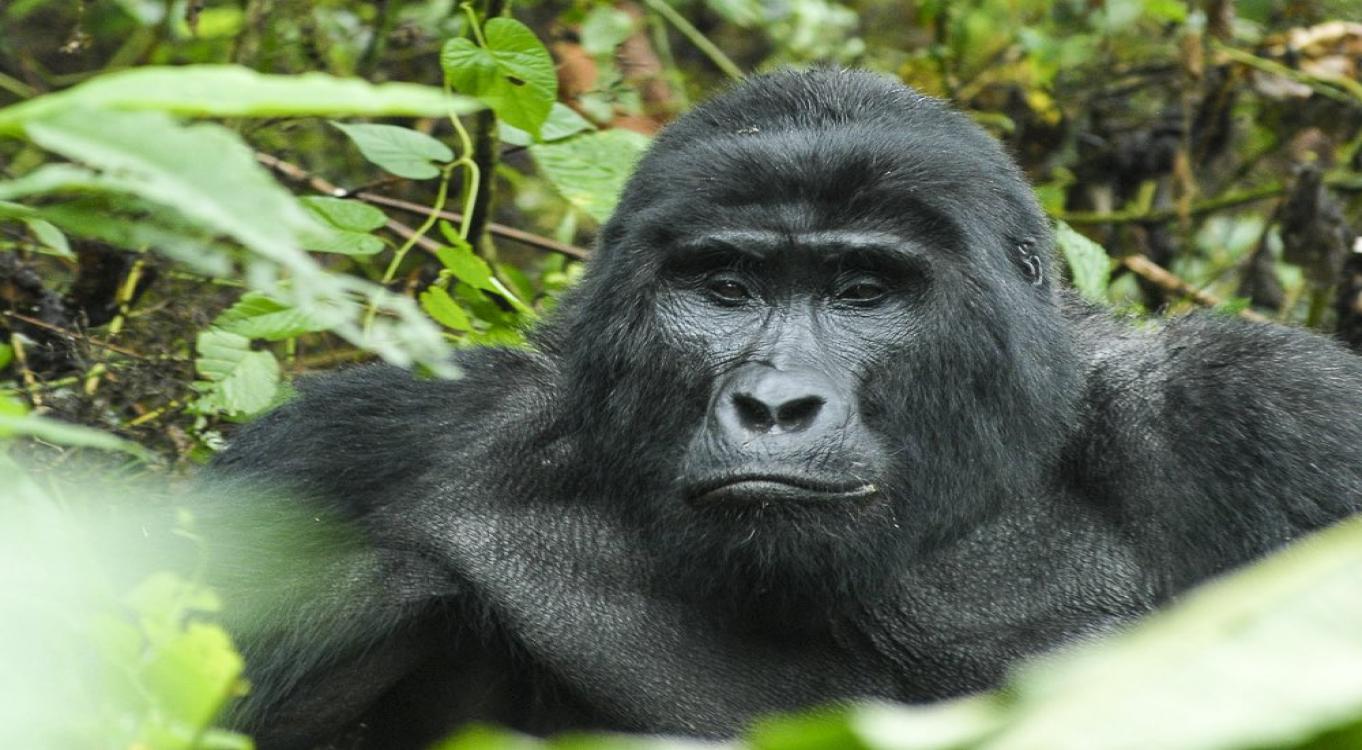
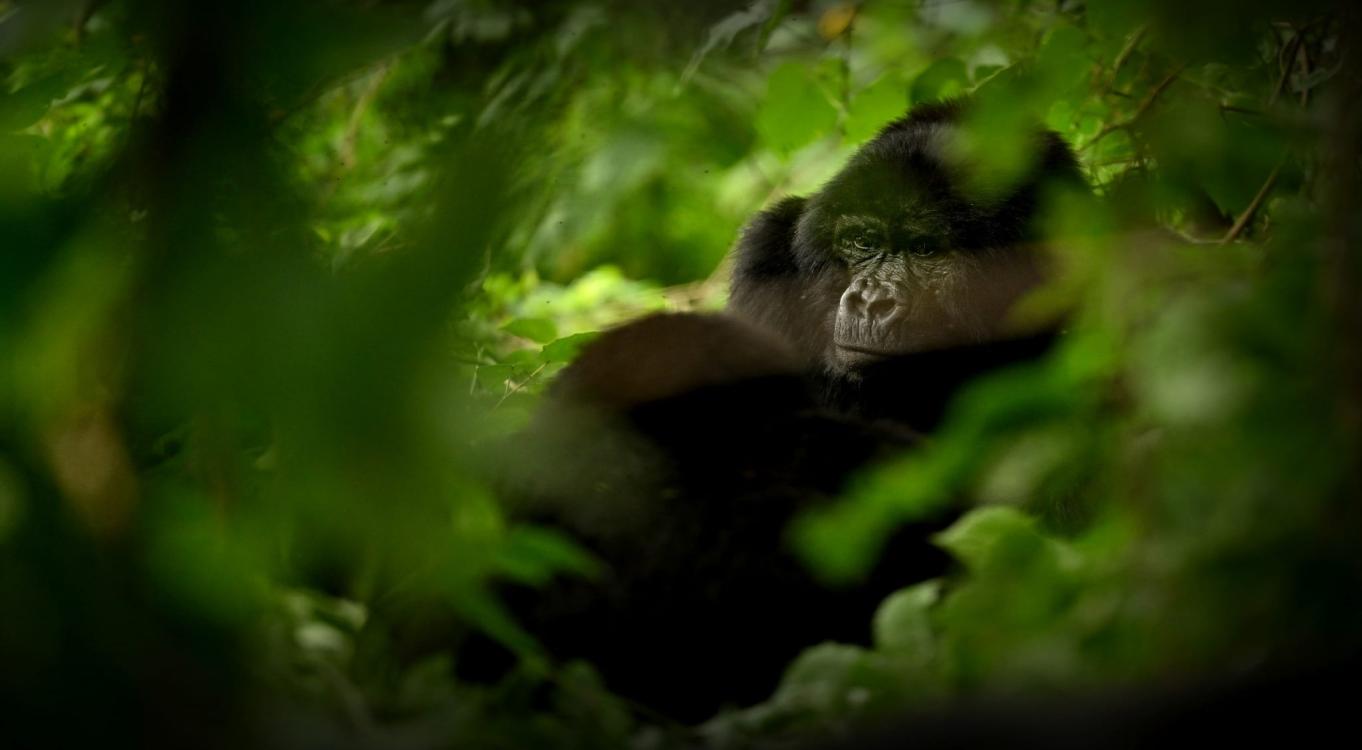
4. Underestimating Gorilla Trekking
Many visitors assume gorilla trekking is simply a short walk through the forest.
The reality is that trekking can involve hiking through steep terrain, dense vegetation, and varying weather conditions.
Some treks are relatively easy, while others can be physically demanding.
A reasonable level of fitness and proper preparation can make the experience much more enjoyable.
5. Forgetting Essential Travel Documents
It may sound obvious, but travelers occasionally overlook important documents.
Before departure, make sure you have:
- A valid passport
- Required visas
- Travel insurance documents
- Vaccination certificates if required
- Gorilla permit confirmations where applicable
Keeping digital and printed copies can provide extra peace of mind.
6. Not Bringing a Good Camera or Extra Batteries
Safari memories deserve more than a nearly empty phone battery.
Wildlife photography opportunities can appear unexpectedly, and charging points may not always be available during long travel days.
Consider bringing:
- A camera or quality smartphone
- Spare batteries
- Extra memory cards
- A power bank
You'll be glad you did when that perfect wildlife moment appears.
7. Trying to Do Too Much in Too Little Time
Uganda offers an incredible variety of experiences, from gorilla trekking and chimpanzee tracking to game drives, boat cruises, cultural tours, and birdwatching.
Some first-time visitors try to fit everything into a short itinerary.
The result can be long travel days and less time to enjoy each destination.
A well-balanced itinerary often creates a more rewarding experience than trying to see everything at once.
8. Ignoring the Advice of Your Guide
Safari guides spend years learning animal behavior, local ecosystems, and park regulations.
When a guide asks visitors to remain quiet, stay seated, or follow instructions during wildlife encounters, there is usually a good reason.
Listening to your guide not only improves safety but often leads to better wildlife viewing opportunities as well.
9. Focusing Only on the Big Animals
Everyone wants to see lions, elephants, leopards, and buffaloes.
But some of the most memorable safari moments come from unexpected encounters.
Colorful birds, playful monkeys, unique landscapes, butterflies, local communities, and smaller wildlife species often become highlights that travelers never anticipated.
A safari becomes much richer when you appreciate the entire ecosystem.
10. Forgetting to Enjoy the Moment
Modern travelers often spend so much time taking photos that they forget to simply observe.
There is something special about lowering the camera for a moment and fully experiencing a gorilla encounter, a sunset over the savannah, or the sound of wildlife around you.
Photographs are wonderful keepsakes, but some memories are best experienced firsthand.
11. Choosing Price Over Experience
Every traveler has a budget, but selecting a safari based solely on the lowest price can sometimes lead to disappointment.
A well-planned safari includes experienced guides, reliable transportation, quality accommodations, and proper logistical support.
The value of professional planning often becomes clear once the journey begins.
A safari is an investment in memories, and quality experiences are worth considering.
12. Not Learning About the Destination Before Arrival
Many travelers spend months planning flights and accommodations but very little time learning about the places they are visiting.
Understanding local culture, wildlife, geography, and conservation efforts adds depth to the experience and helps travelers appreciate what they are seeing.
The more you know before you arrive, the more meaningful your safari becomes.
How to Make the Most of Your Safari
The best safari experiences are built on preparation, realistic expectations, and a willingness to embrace the unexpected.
Wildlife does not follow a schedule, weather can change, and every day brings something different.
That's part of the adventure.
By avoiding these common mistakes, you'll be better prepared to enjoy everything that makes a Ugandan safari so special—from gorilla trekking and game drives to cultural encounters and breathtaking landscapes.
Final Thoughts
Your first safari is likely to be unlike any trip you've taken before.
It is an opportunity to connect with nature, discover incredible wildlife, and experience destinations that many people only dream about visiting.
With proper planning and an open mind, your safari can become one of the most rewarding travel experiences of your life.
And who knows? Like many travelers before you, you may leave already planning your next adventure.