


Why Is Kibale National Park Known as the Primate Capital of the World?
Home to an incredible diversity of primates and one of the best chimpanzee tracking experiences on Earth, Kibale National Park has earned a reputation as a must-visit destination for wildlife enthusiasts, birders, photographers, and nature lovers from around the world.
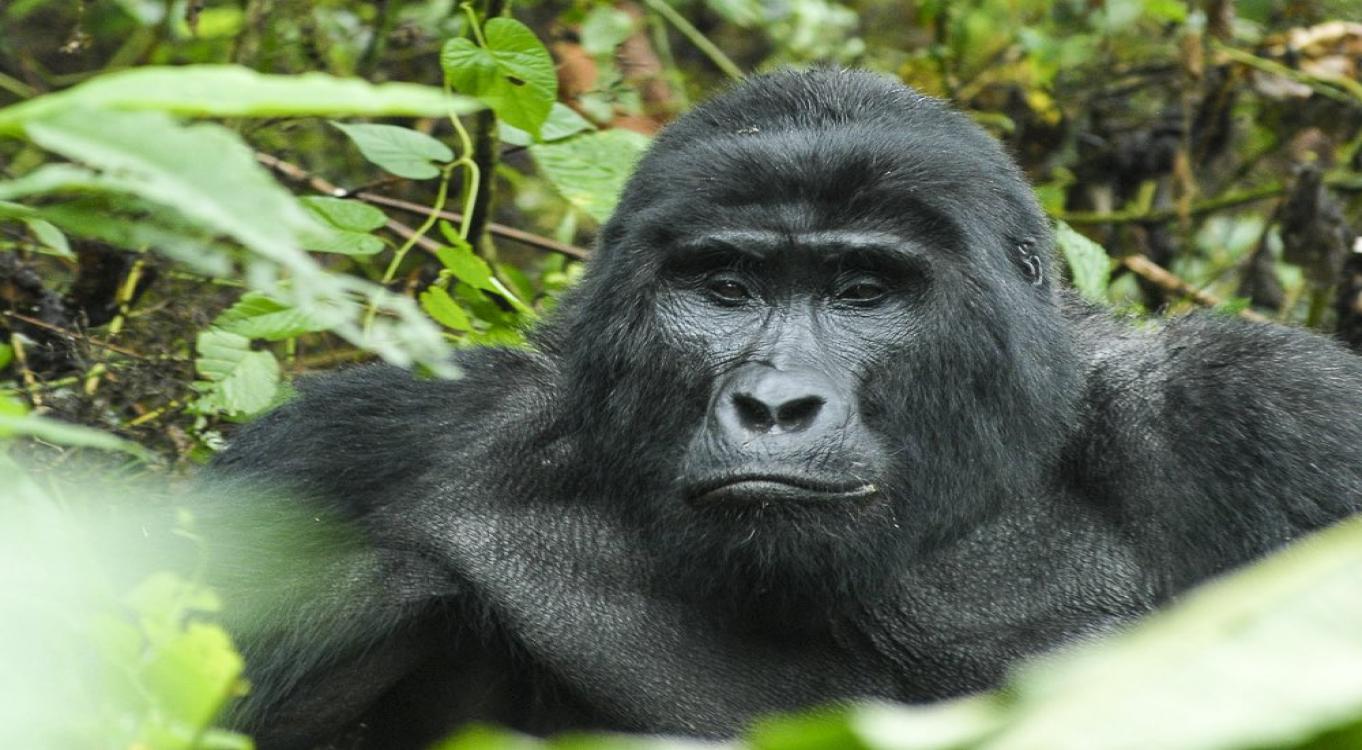
When travelers think of Uganda, mountain gorillas often come to mind first.
Yet hidden within the lush rainforests of western Uganda lies another extraordinary wildlife destination that has quietly earned international recognition among conservationists, researchers, and safari enthusiasts.
Kibale National Park is widely known as the Primate Capital of the World, a title that few destinations can genuinely claim.
But what exactly makes Kibale deserving of such a prestigious reputation?
The answer lies in its remarkable biodiversity, thriving chimpanzee populations, rich rainforest ecosystems, and unforgettable wildlife encounters that continue to attract visitors from every corner of the globe.
A Forest Unlike Any Other
Nestled in western Uganda, Kibale National Park covers approximately 795 square kilometers of tropical rainforest, woodland, and wetland habitats.
The park forms one of the most important forest ecosystems in East Africa and serves as a critical sanctuary for countless species of wildlife.
Towering trees, dense vegetation, forest streams, and vibrant birdlife create an environment that feels untouched and wild.
Walking through Kibale is more than a nature walk.
It is an opportunity to step into one of Africa's richest biodiversity hotspots.
Home to 13 Species of Primates
The main reason Kibale is called the Primate Capital of the World is its incredible concentration of primates.
The park hosts an astonishing 13 different primate species, making it one of the most primate-rich destinations anywhere in Africa.
Some of the species found here include:
- Chimpanzees
- Red Colobus Monkeys
- Black-and-White Colobus Monkeys
- Red-Tailed Monkeys
- Blue Monkeys
- Grey-Cheeked Mangabeys
- L'Hoest's Monkeys
- Olive Baboons
- Vervet Monkeys
Few forests on the continent can boast such diversity within a single protected area.
For visitors, this means that every forest excursion presents opportunities to encounter multiple primate species in their natural habitat.
One of the Best Places in the World to Track Chimpanzees
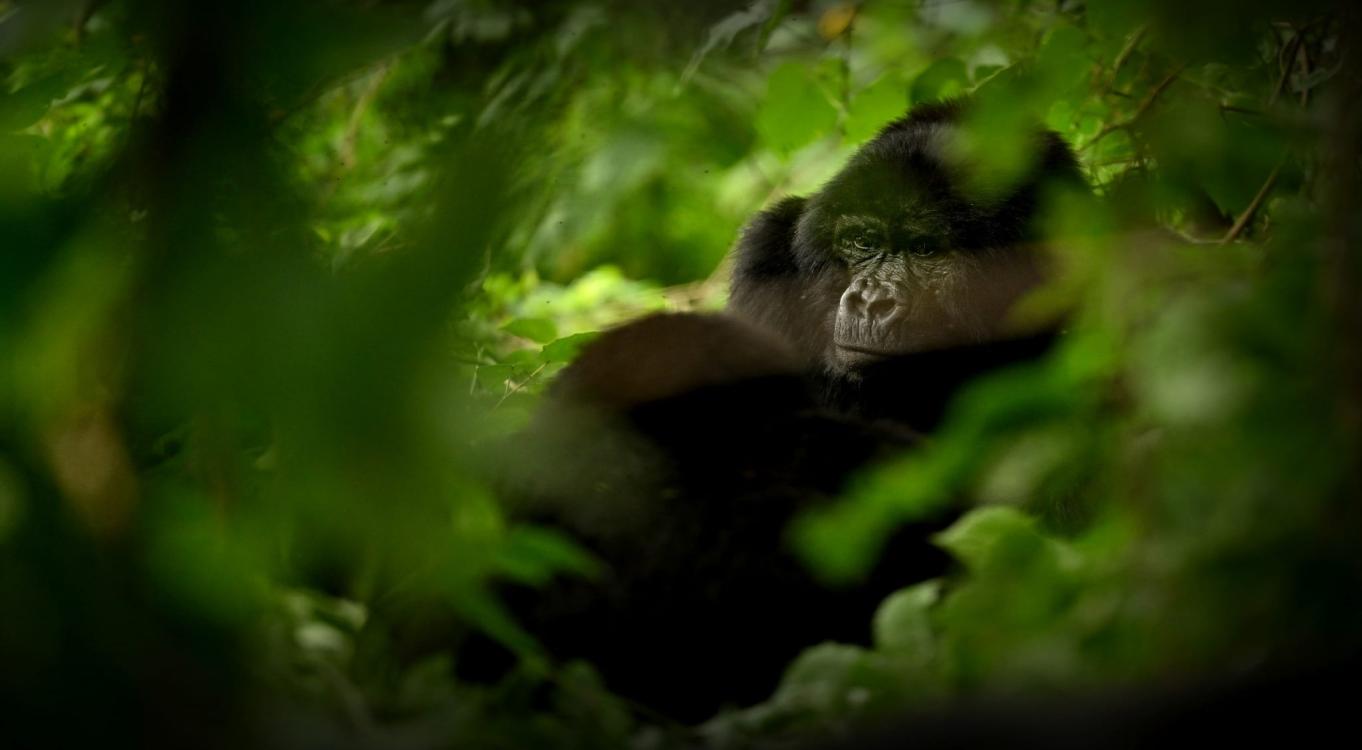
If gorilla trekking is Uganda's most famous wildlife experience, chimpanzee tracking in Kibale is undoubtedly one of its most exciting.
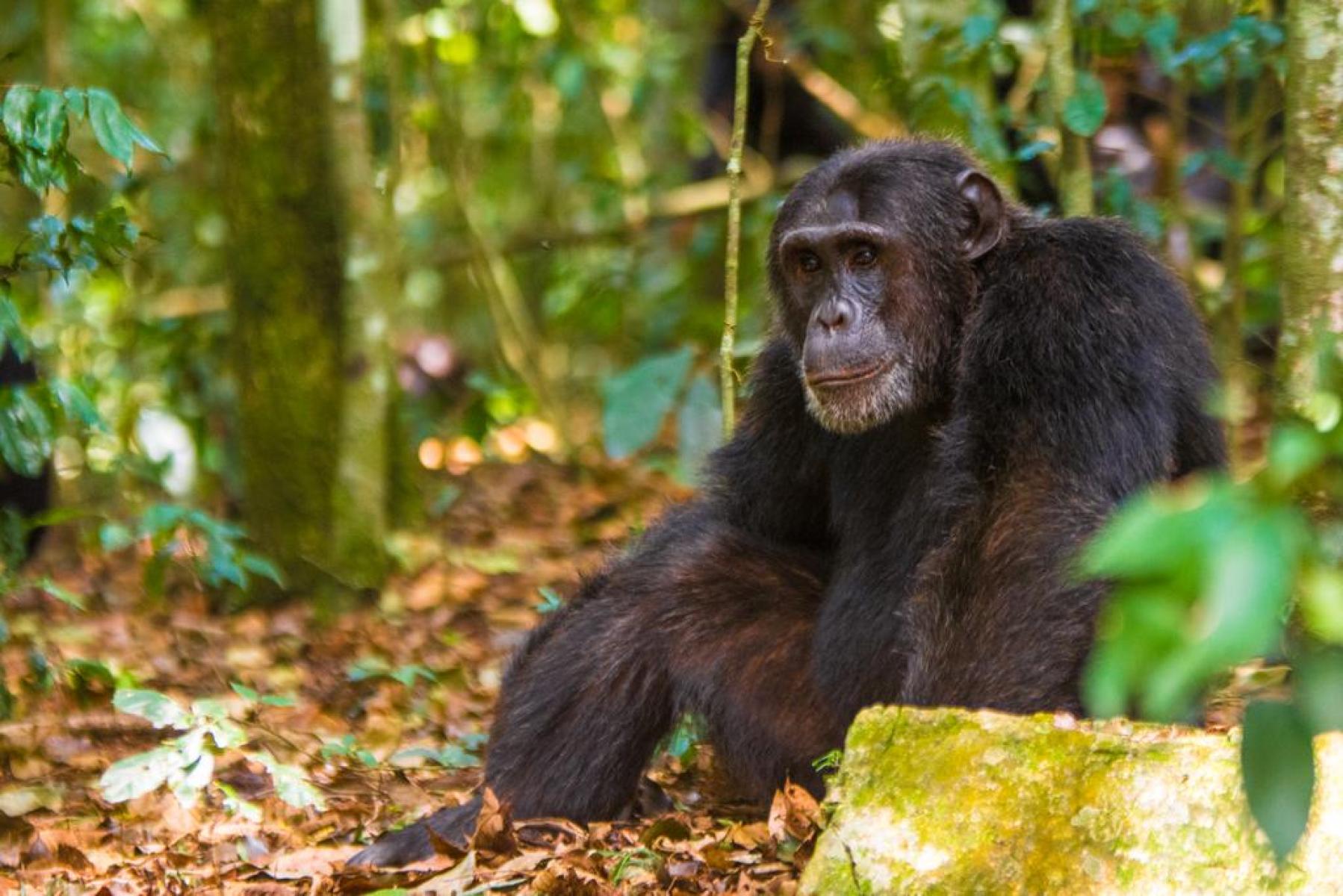
The park is home to more than 1,500 chimpanzees, making it one of Africa's most important strongholds for these intelligent primates.
Unlike many wildlife encounters that depend heavily on luck, chimpanzee tracking in Kibale offers remarkably high success rates.
Experienced trackers monitor chimpanzee movements daily, helping visitors locate habituated communities that have become accustomed to human presence.
The experience is nothing short of extraordinary.
One moment you are quietly walking beneath the forest canopy.
The next, the forest erupts with calls, hoots, and movement as chimpanzees swing through the trees, interact with family members, forage for food, and communicate with one another.
Watching our closest relatives in the animal kingdom in their natural environment is an experience that few travelers ever forget.
Chimpanzee Habituation: A Deeper Primate Experience
For those seeking a more immersive adventure, Kibale also offers the Chimpanzee Habituation Experience.
Unlike standard chimpanzee tracking, which typically involves a shorter encounter, habituation allows visitors to spend extended periods in the company of researchers, guides, and conservation teams.
Participants gain a unique insight into:
- Chimpanzee behavior
- Social interactions
- Feeding habits
- Conservation research
- Forest ecology
For photographers, wildlife enthusiasts, and repeat visitors, this experience offers a deeper connection with one of the world's most fascinating primates.
More Than Just Primates
Although primates are the stars of Kibale, the park's biodiversity extends far beyond monkeys and chimpanzees.
The forest supports a wide variety of wildlife including:
- Forest elephants
- Bush pigs
- Duikers
- Reptiles
- Butterflies
- Amphibians
Every walk through the forest reveals something new.
It is this richness of life that makes Kibale such a rewarding destination for nature lovers.
A Birdwatcher's Paradise
Bird enthusiasts are equally captivated by Kibale National Park.
With over 370 recorded bird species, the park is one of Uganda's leading birding destinations.
Birders visiting Kibale may encounter:
- Great Blue Turacos
- African Pittas
- Hornbills
- Sunbirds
- Flycatchers
- Kingfishers
- Forest warblers
Whether you're an experienced birder pursuing rare species or simply enjoy observing wildlife, Kibale offers exceptional birdwatching opportunities throughout the year.
The Bigodi Wetland Sanctuary Experience
A visit to Kibale is often complemented by an excursion to the nearby Bigodi Wetland Sanctuary.
This community-managed conservation area is renowned for its rich biodiversity and excellent wildlife viewing opportunities.
Visitors can enjoy guided nature walks while searching for:
- Various monkey species
- Wetland birds
- Butterflies
- Indigenous plant species
The sanctuary also provides an opportunity to support local conservation initiatives and community tourism projects.
The Perfect Addition to a Uganda Safari
One of Kibale's greatest advantages is its location within Uganda's famous safari circuit.
Travelers can easily combine chimpanzee tracking with some of the country's most iconic experiences.
Popular combinations include:
Queen Elizabeth National Park
Known for classic game drives, the Kazinga Channel boat cruise, elephants, buffaloes, leopards, and the famous tree-climbing lions of Ishasha.
Bwindi Impenetrable National Park
Home to mountain gorilla trekking and gorilla habituation experiences.
Lake Bunyonyi
A scenic retreat ideal for relaxation, canoeing, birdwatching, and photography.
Semuliki National Park
Known for its unique lowland rainforest ecosystem, hot springs, and exceptional birdlife.
This makes Kibale an ideal stop on both short and extended Uganda safaris.
When Is the Best Time to Visit Kibale National Park?
Kibale National Park can be visited throughout the year.
However, the dry seasons are generally considered the most favorable for forest activities:
- June to September
- December to February
During these periods, trails are often easier to navigate and weather conditions are typically more comfortable for trekking.
That said, the rainforest remains beautiful year-round, and wildlife encounters are possible in every season.
Why Kibale Continues to Attract Visitors From Around the World
Very few destinations can offer such an extraordinary concentration of primates in one location.
Where else can visitors spend the morning tracking chimpanzees, observe several monkey species during a single forest walk, discover rare birds, explore tropical rainforests, and still be within reach of gorillas, wildlife safaris, and cultural experiences?
Kibale delivers all of this and more.
It is a destination where conservation, adventure, and nature come together to create unforgettable memories.
So, Why Is Kibale National Park Known as the Primate Capital of the World?
Because few places on Earth can rival its combination of primate diversity, world-class chimpanzee tracking, thriving rainforest ecosystems, exceptional birdlife, and unforgettable wildlife encounters.
For travelers seeking a safari experience that goes beyond the ordinary, Kibale National Park offers a rare opportunity to connect with nature in one of Africa's most remarkable forests.
And once you've heard the calls of wild chimpanzees echoing through the rainforest, you'll quickly understand why Kibale has earned its place among the world's greatest primate destinations.