

The Hidden Cost of Rushing Through Africa!
Why Slow, Thoughtful Safari Planning Creates Better Experiences!
When planning an African safari, one of the most common questions travelers ask is:
“How many places can we visit during our holiday?”
It is a perfectly reasonable question.
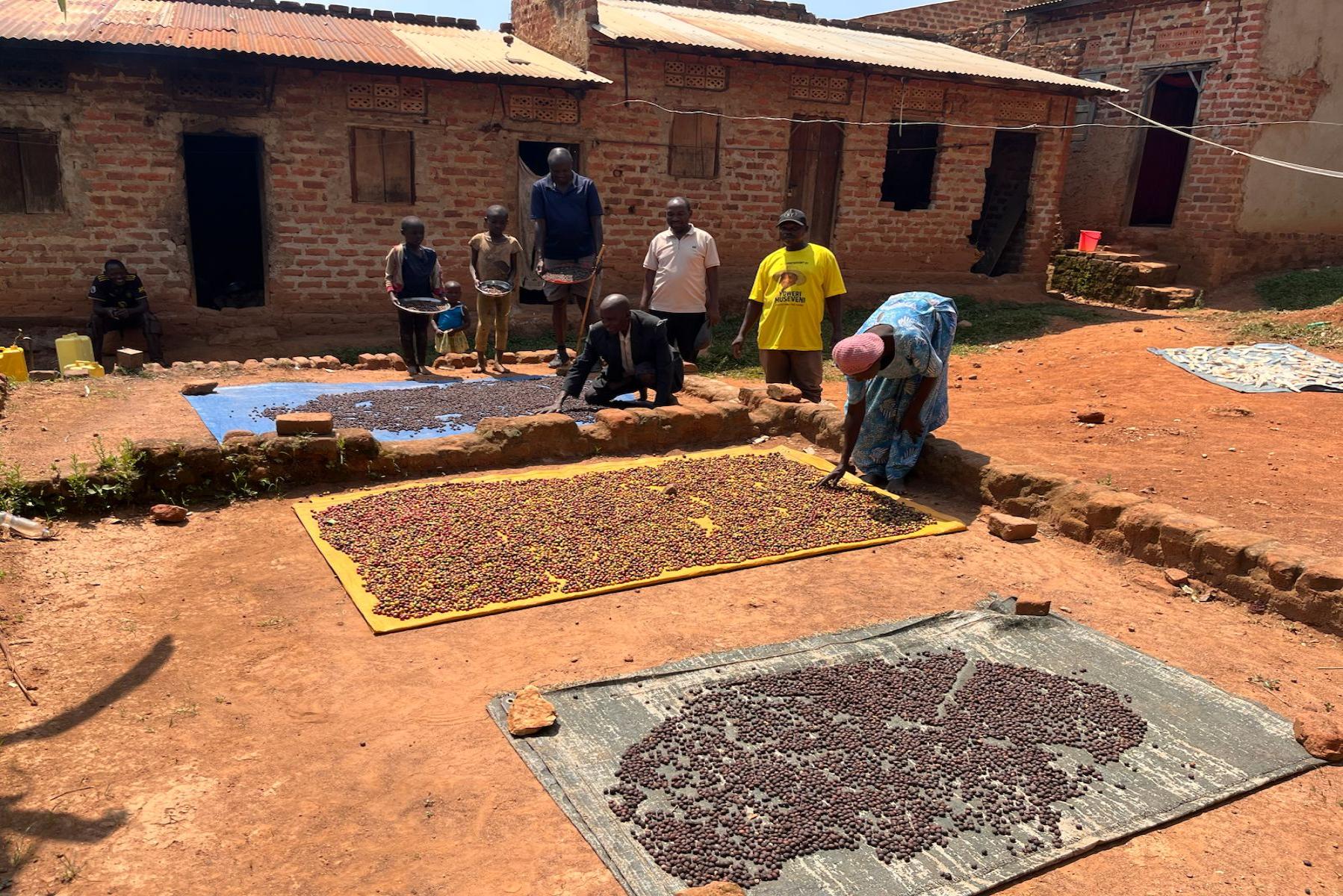
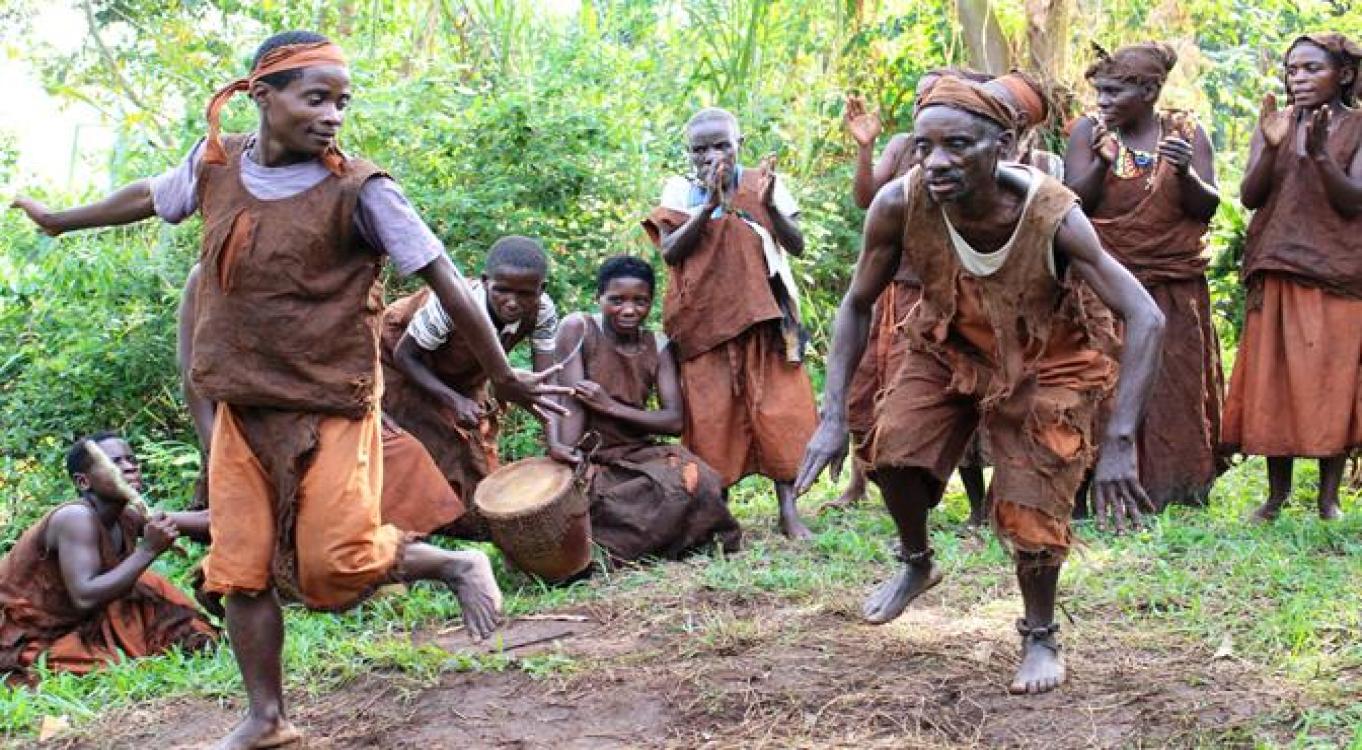
After traveling thousands of kilometers to reach Africa, most travelers want to make the most of their time. They want to see wildlife, visit national parks, experience local cultures, photograph beautiful landscapes, meet communities and return home with stories to tell.
But there is a less obvious question that deserves just as much attention:
How much of the journey will you actually have time to experience?
This is where the hidden cost of rushing through Africa begins.
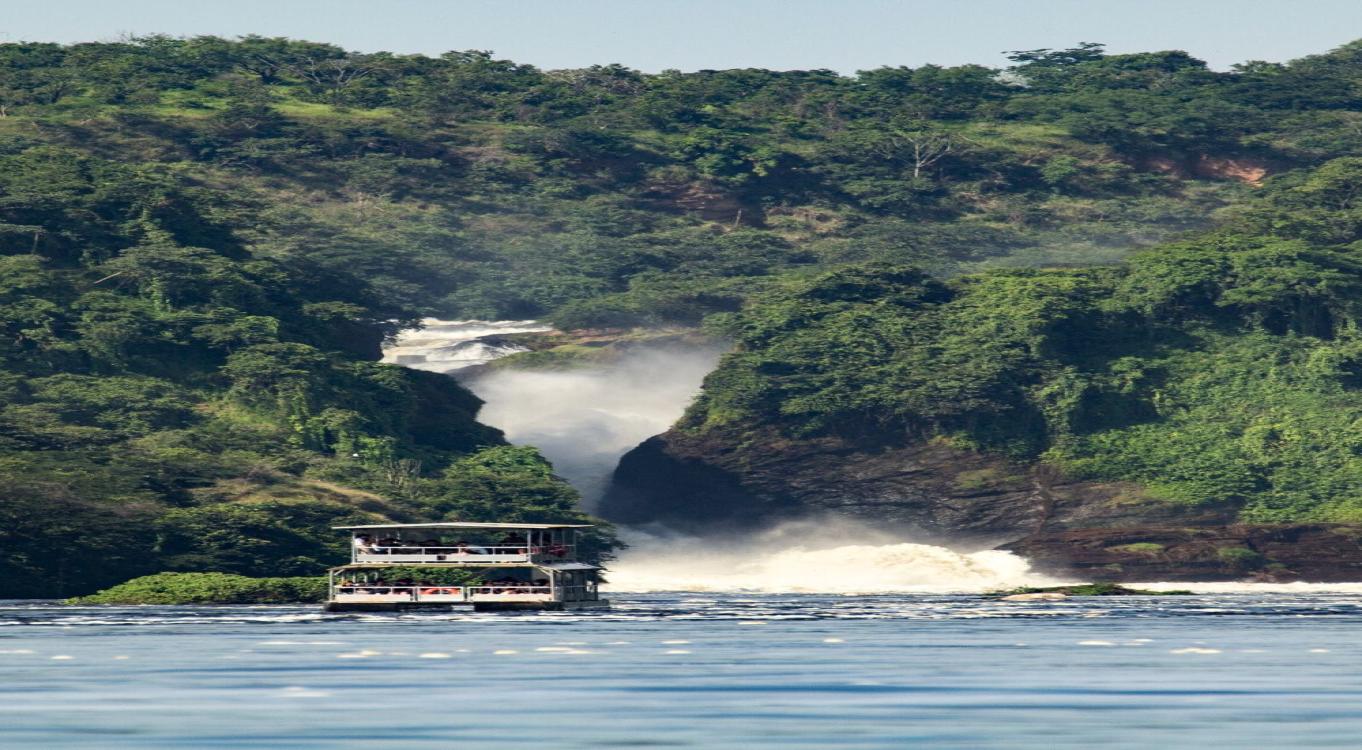
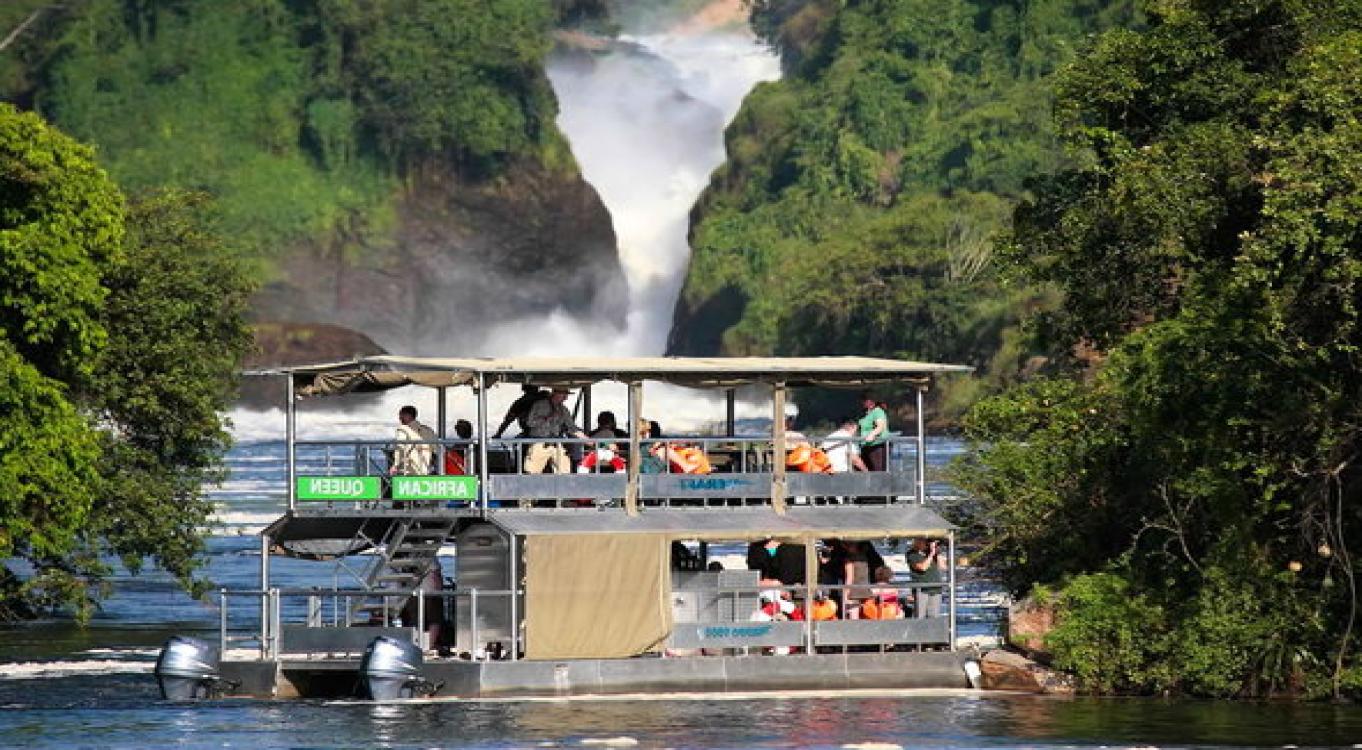
An itinerary can look impressive on paper—Murchison Falls, Kibale, Queen Elizabeth, Bwindi, Lake Mburo and perhaps even another destination—but an itinerary filled with destinations is not necessarily an itinerary filled with experiences.
Sometimes, trying to see everything means experiencing very little.
Africa Is Not a Checklist
One of the biggest misconceptions in safari planning is treating destinations like items on a shopping list.
Visit one national park.
Drive to another.
Take a game drive.
Transfer to the next lodge.
Wake up.
Drive again.
Repeat.
At the end of the trip, the traveler may have visited five destinations, but much of the holiday may have been spent inside a vehicle, checking in and out of accommodation or watching the clock.
Africa is vast, and Uganda is no exception.
Distances on a map do not tell the whole story. A journey is influenced by road conditions, terrain, traffic, weather, stops along the way, park entrances, lodge locations and the time needed to travel comfortably and safely.
Two destinations may appear relatively close on a map, yet the actual journey can take considerably longer than a traveler expects.
This is particularly important when combining several national parks in one itinerary.
The question should therefore not simply be:
“Can we physically get there?”
It should be:
“Can we get there comfortably and still enjoy the experience?”
What Travelers Often Want
Travelers usually want to maximize their holiday.
They may say:
- “We only have seven days.”
- “Can we add one more national park?”
- “Can we do a game drive in the morning and drive to the next destination afterward?”
- “Can we trek in the morning and reach another park by evening?”
- “We want to see as much as possible.”
- “Since we are already in Uganda, why not add another destination?”
These requests are understandable.
Nobody wants to feel that they have wasted precious holiday time.
But maximizing the number of destinations is not always the same as maximizing the value of the trip.
A safari is not simply about where you go.
It is also about how you experience where you go.
What a Responsible Tour Operator Is Thinking About
When a professional tour operator recommends fewer destinations or additional nights in one location, it should not automatically be interpreted as trying to sell more accommodation.
A responsible operator is thinking about the traveler beyond the booking.
They are asking:
Will the guest get enough rest?
Will they have enough time to enjoy the lodge?
Will they have enough energy for the next activity?
Will there be time to stop and appreciate something unexpected along the road?
Will the itinerary allow the guide to provide a meaningful experience rather than simply concentrating on reaching the next destination?
Will the traveler return home feeling refreshed or exhausted?
These questions are just as important as the number of parks included in the quotation.
The Hidden Cost Is Not Always Money
When people hear the word “cost,” they naturally think about money.
But the hidden cost of rushing is often something more valuable:
time.
Imagine spending several hours traveling between destinations, arriving late, checking into your accommodation, having dinner and going to bed because another early departure is scheduled the following morning.
Technically, you have covered another destination.
But did you experience it?
Perhaps you saw the landscape from the vehicle window.
Perhaps you took a few photographs during a short stop.
Perhaps you had a quick meal before continuing.
You were there.
But being there and experiencing a place are not always the same thing.
Wildlife Does Not Follow Our Timetable
This becomes even more important on a wildlife safari.
Wild animals do not operate according to a tourist's itinerary.
A lion does not know that your vehicle has another destination to reach.
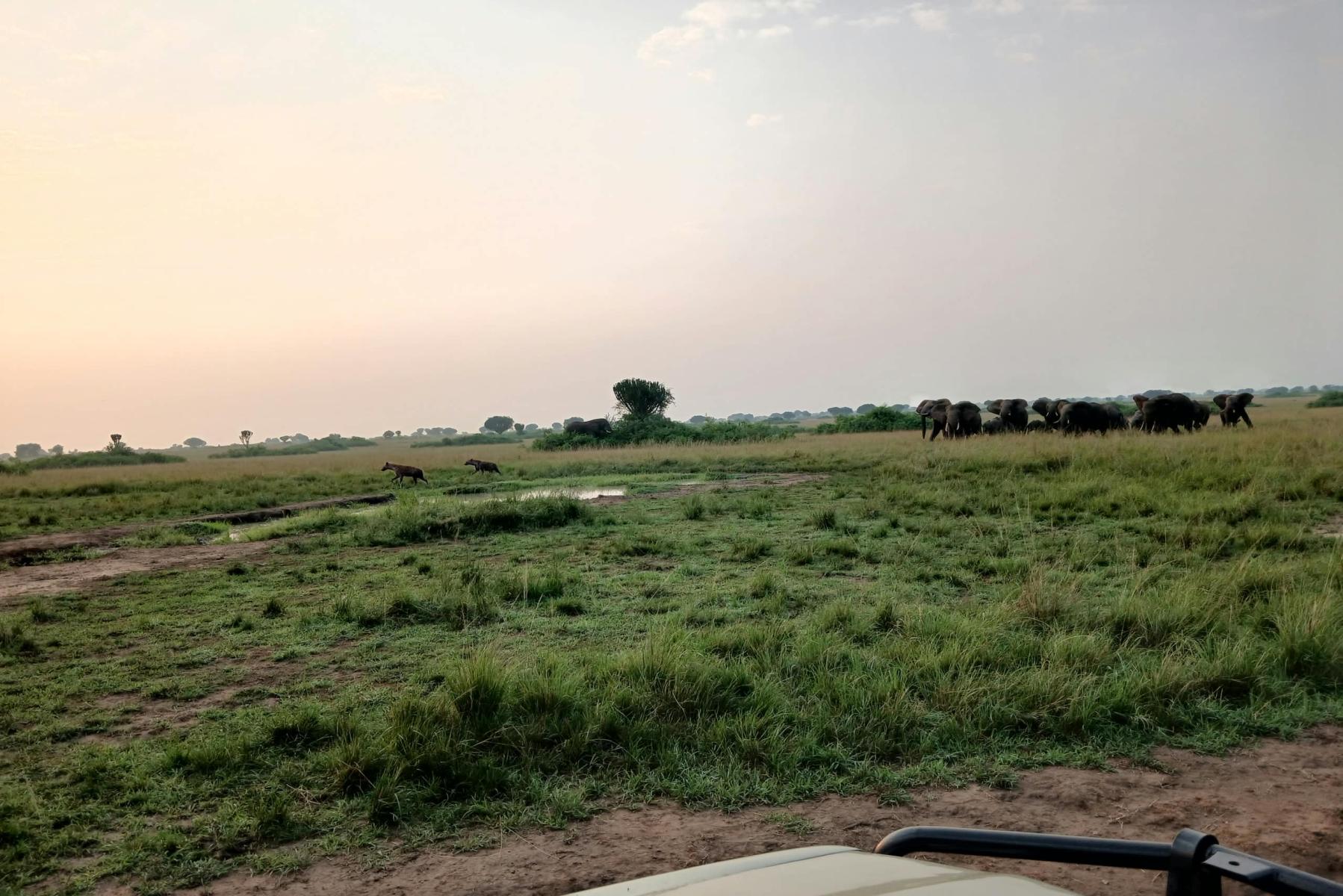
An elephant herd may appear when you least expect it.
A leopard may remain hidden throughout an entire game drive.
Chimpanzees move through their habitat.
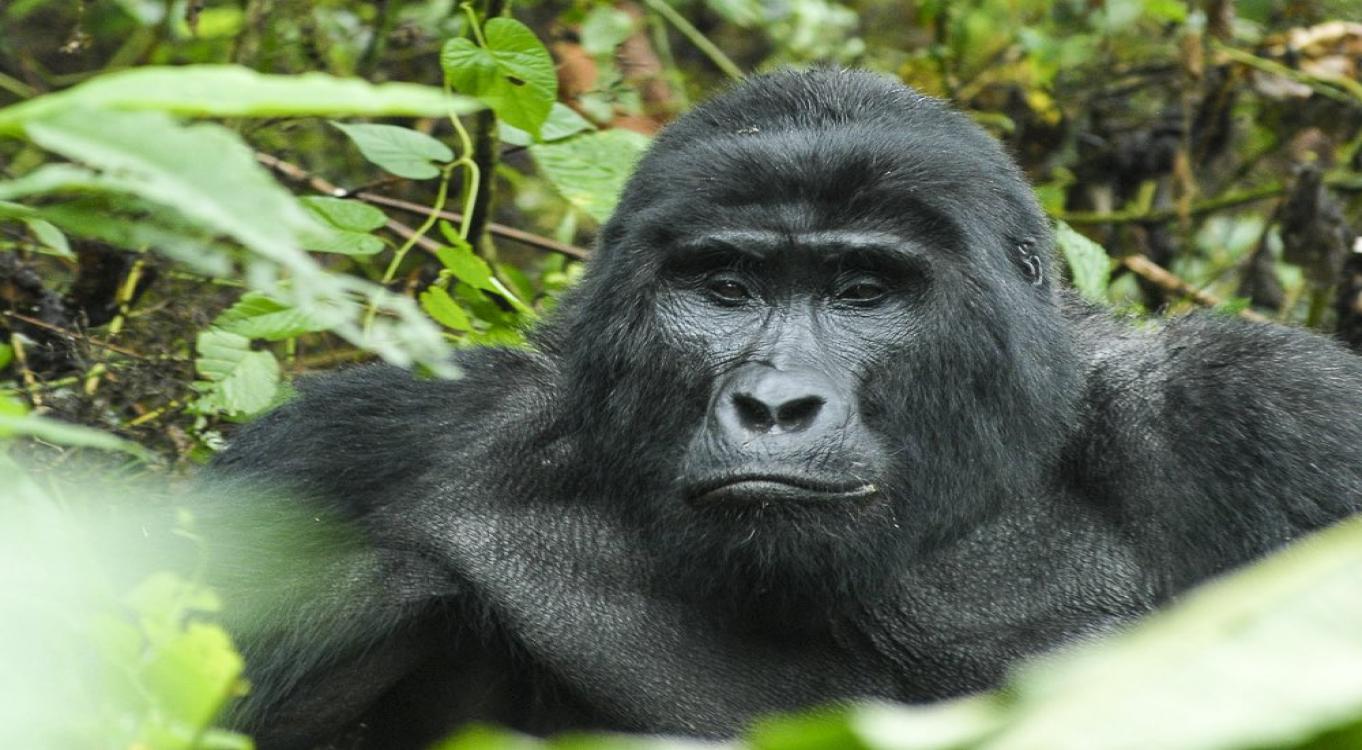
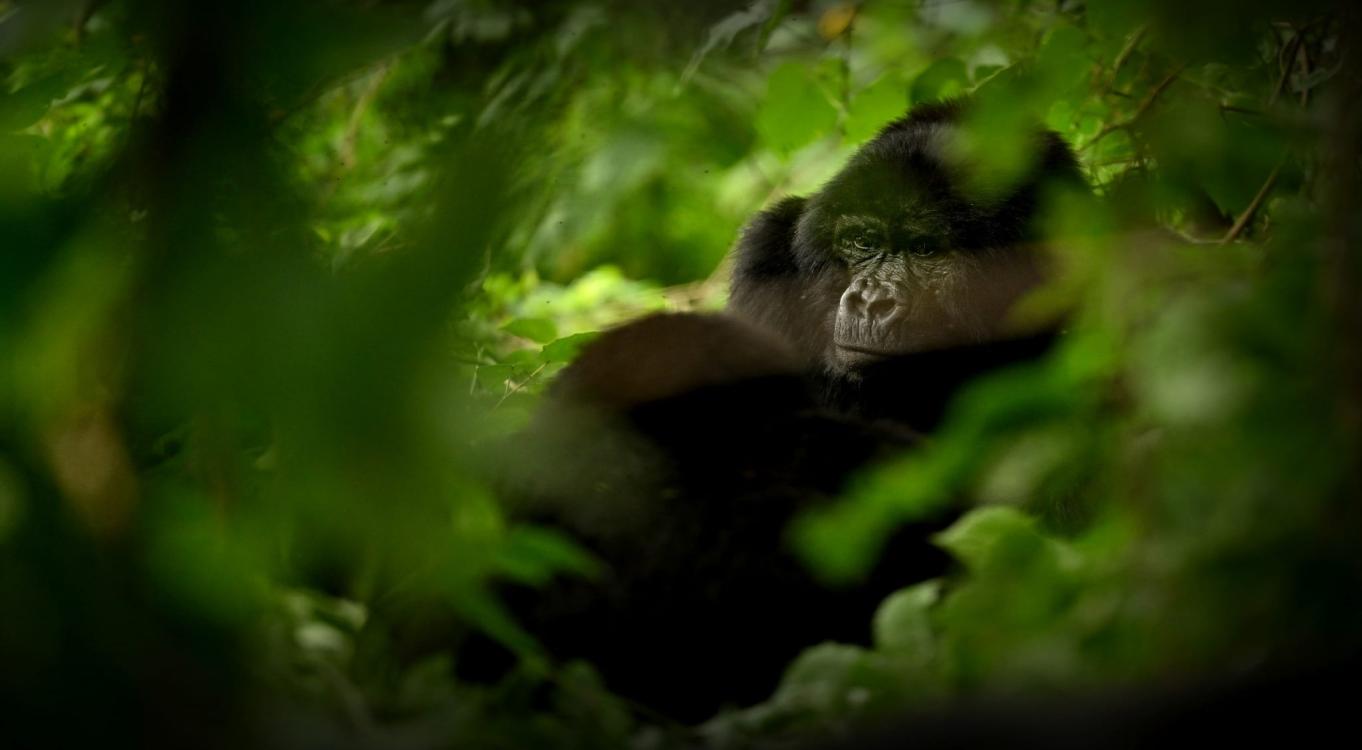
Gorilla trekking takes place in a natural forest environment where conditions can vary.
These are not performances arranged for visitors.
Wildlife is wild precisely because it is unpredictable.
That uncertainty is not a weakness of safari tourism.
It is one of its greatest strengths.
If an itinerary is so tightly packed that there is no room to stop, observe, wait or simply appreciate what is happening around you, the traveler may miss some of the most memorable moments of the entire journey.
The Best Safari Moments Are Not Always Scheduled
Some of the most meaningful travel experiences happen between the activities listed on an itinerary.
It could be watching the sunrise over the Savannah.
It could be stopping beside a roadside market.
It could be having a conversation with a local guide.
It could be seeing children playing in a village.
It could be discovering a beautiful landscape that was not on the original plan.
It could simply be sitting quietly at a lodge and listening to the sounds of the surrounding environment.
These moments do not necessarily require another excursion.
They require time.
And time is one of the most valuable things a thoughtful itinerary can give a traveler.
Slow Travel Does Not Mean Boring Travel
The idea of slowing down can sometimes sound like doing less.
It is not.
Slow travel is about doing things with greater intention.
Instead of visiting three places superficially, you may experience two more meaningfully.
Instead of spending every day moving between destinations, you may have time to understand one destination properly.
Instead of rushing from one activity to another, you may have the opportunity to observe, learn and connect.
Slow travel can actually create a richer safari because it gives travelers room to engage with their surroundings.
Why Travel Time Should Be Part of the Experience
A journey between destinations should not automatically be treated as “lost time.”
In Uganda, road journeys can reveal another side of the country.
You may pass through rural communities, agricultural landscapes, trading centers, forests, hills, plantations and changing ecosystems.
The landscape itself becomes part of the journey.
A professional guide can explain what you are seeing, answer questions and introduce travelers to aspects of everyday life that they might otherwise overlook.
The road is not always simply something between Point A and Point B.
Sometimes, the journey is part of the destination.
There Is Also a Human Cost to Overpacked Itineraries
A tightly packed safari can be physically demanding.
Early morning game drives are exciting, but repeatedly waking before sunrise, traveling long distances and changing accommodation every night can eventually take its toll.
Travelers need time to sleep, eat properly, relax and process what they have experienced.
This is particularly important for families, older travelers, travelers with children and anyone combining physically demanding activities such as trekking with long road journeys.
A good itinerary should challenge a traveler when the experience calls for it—but it should not exhaust them simply because too many destinations were placed on the schedule.
The Operator's Responsibility: Sometimes Saying "No"
One of the most difficult things for a tour operator to do is tell a client:
“No, I don't recommend that.”
A client may want five destinations in six days.
The operator could simply accept the request, prepare the quotation and make the booking.
But professional travel planning requires more than fulfilling every request.
Sometimes the responsible answer is:
“Let's remove that destination.”
Or:
“Let's add another night here.”
Or:
“That transfer will make the day too long.”
Or:
“You will have a better experience if we change the order of these destinations.”
This is not about limiting the traveler.
It is about protecting the experience.
A good tour operator should not only ask:
“Can we arrange it?”
They should also ask:
“Should we arrange it this way?”
That distinction matters.
How Travelers Can Plan Better
Before booking a safari, consider asking yourself a few questions.
1. What do I really want from this trip?
Is your priority wildlife?
Gorilla trekking?
Chimpanzees?
Birding?
Culture?
Photography?
Relaxation?
Adventure?
Once your priorities are clear, the itinerary becomes easier to design.
2. How much time am I willing to spend traveling?
Long drives are sometimes unavoidable, but they should be considered honestly when planning.
3. Do I want to see many destinations or experience fewer destinations deeply?
There is no universally correct answer.
Some travelers genuinely enjoy moving around.
Others prefer to settle into a destination.
The important thing is knowing which type of experience you want.
4. Have I allowed time for the unexpected?
The unexpected is part of travel.
Leaving some breathing room can transform an itinerary.
5. Am I comparing quotations fairly?
Do not compare safari prices based only on the final number.
Look at what is included:
- Accommodation
- Park fees
- Permits
- Meals
- Transportation
- Guide services
- Activities
- Airport transfers
- Fuel
- Taxes and other applicable charges
- Any additional logistical costs
A cheaper quotation may not necessarily represent better value.
A Better Way to Measure a Safari
Perhaps we should stop measuring a safari by the number of destinations visited.
Instead, ask:
How many moments will I remember?
Did I have time to watch the elephants without checking the clock?
Did I sit quietly and listen to the forest?
Did I learn something from my guide?
Did I have a meaningful interaction with local people?
Did I enjoy the journey instead of simply enduring it?
Did I return home with memories rather than simply photographs?
These questions tell us much more about the quality of a journey.
The Real Luxury Is Time
In modern travel, luxury is often associated with expensive accommodation, private vehicles or exclusive experiences.
But there is another form of luxury that is frequently overlooked:
time.
Time to wake up without immediately rushing.
Time to have breakfast.
Time to watch wildlife.
Time to talk.
Time to explore.
Time to rest.
Time to be surprised.
Time to simply sit and take in where you are.
For many travelers, that may be the most valuable luxury of all.
Final Thought: Don't Just Pass Through Africa
Africa should not be treated as a destination to conquer in the shortest possible time.
It is a continent of extraordinary landscapes, wildlife, cultures, communities and stories.
You do not have to see everything in one trip.
In fact, trying to see everything may prevent you from truly experiencing anything.
The goal of thoughtful safari planning is not to fill every available hour.
It is to create enough space for the destination to speak for itself.
Because the hidden cost of rushing through Africa is not always an extra dollar.
Sometimes, it is the sunrise you didn't stop to watch.
The elephant encounter you couldn't wait for.
The conversation you didn't have.
The landscape you only saw through a window.
The quiet moment you never had.
And ultimately, the experience you travelled thousands of kilometres to find.
Plan the journey, not just the itinerary.
At B&H Rafiki Tours & Travel Ltd, we believe safari planning should balance adventure with comfort, discovery with time, and unforgettable experiences with responsible travel.